
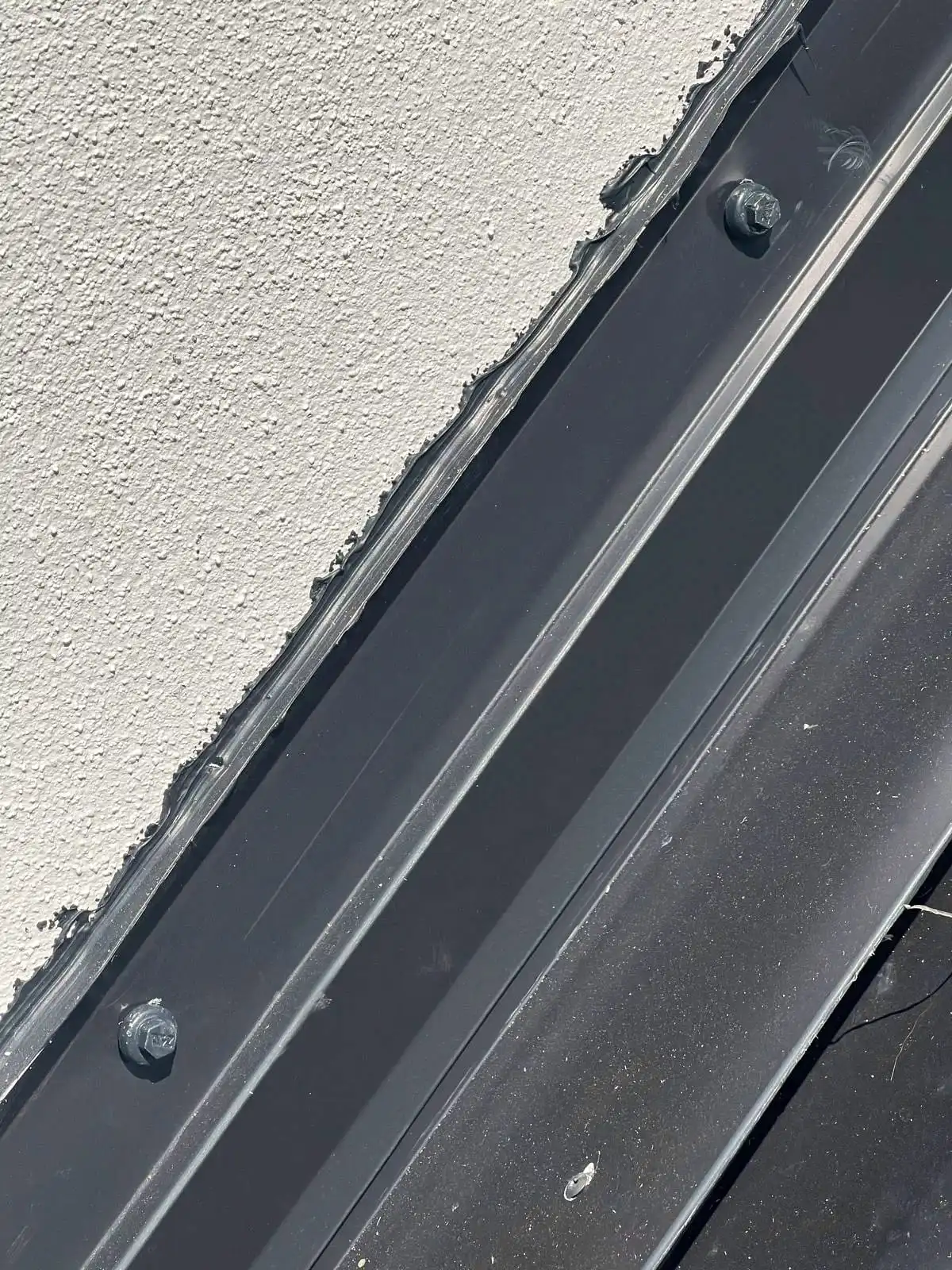
Roofing services
Fixing leaking roofs in North Miami
Leaks, broken or shifted tile, curling shingles, bad flashing and ponding on flat roofs: found at the source and repaired.
Tracing the water
Repair where it leaks, not where it shows
The spot where water drips inside is seldom the spot where it enters. It can travel along underlayment or down a rafter for several feet before it marks a ceiling, so a proper repair begins on the roof, following the water back to its entry point.
With tile, the culprit is often a cracked or shifted tile, mortar that has failed at a ridge or hip, or underlayment worn out below. Shingle roofs leak through lifted or missing shingles and tired flashing. Flat roofs leak through ponding, open seams and drain and penetration details that have given up.
Some repairs amount to a handful of tiles. Others expose underlayment or deck damage that a patch will not hold for long, and if that is what we find, we say so directly.
What the visit includes
- Following the leak from the stain back to where it starts
- Cracked, shifted or missing tile reset or swapped out
- Loose or absent shingles replaced
- Flashing repaired at walls, valleys, vents and pipes
- Seams, drains and ponding spots on flat roofs dealt with
- Fascia and drip edge where water or animals have got in
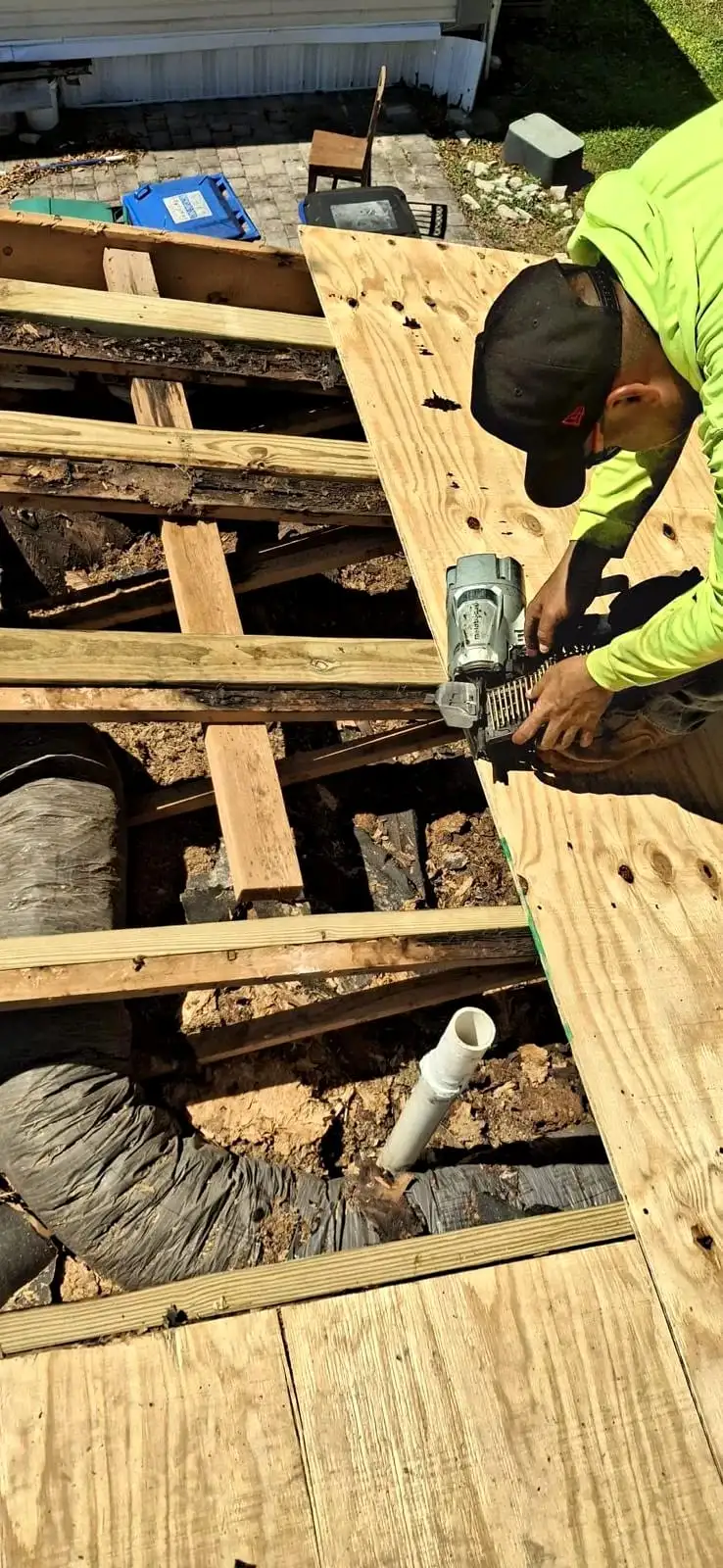
Warning signs
Signs your roof needs work
You can spot most of these from a room inside or from the yard. Nobody needs to go up on the roof to notice them.
Marks on the ceiling
Brown rings or blistering paint overhead, usually after a hard rain.
Broken or shifted tile
Tiles that are chipped, out of line or gone, often easy to see from the street.
Curling shingles
Shingles that curl up or blow off after a gusty day.
Grit in the gutters
Shingle granules or tile fragments piling up in the gutters or on the ground below.
Puddles on a flat roof
Water still sitting there days after the storm rather than draining off.
Tired fascia boards
Fascia along the roof edge that is soft, stained or chewed.
Questions
Common repair questions
Repair or replace: which does my roof need?
It turns on how far the damage reaches and how the underlayment and deck are holding up. One localized leak is normally a repair. Damage over big areas, or underlayment at the end of its life, can make a new roof the better spend. We say which one we see.
Why does the roof only leak in big storms?
Wind-driven rain forces water beneath tile or shingles and past flashing that copes with ordinary rain. Those are the places we look first.
Can you fix a tile roof?
Yes, clay and concrete tile alike, from a few broken tiles to the underlayment beneath them.
Is a permit needed for a repair on my North Miami roof?
That depends on how much of the roof the work touches. Permits come from whichever building department covers the address: the city’s own in most incorporated cities, North Miami among them, and Miami-Dade County’s for unincorporated areas such as Ojus or Ives Estates. A new roof or full replacement generally needs one. We say before work begins whether yours does.
What does a roof repair cost?
The cause, the roof type and how far the damage spreads all matter. We do not name a price before seeing the roof; call (786) 889-4090 to arrange a visit.
Spotted a leak?
Phone us, or send the details and we will call back to arrange a visit.